Charging that survives the dock and protects the hull.
Salt air, weight-limited docks, hull corrosion, emerging MCS standards. We design systems Built for Real Operating Conditions on the water.
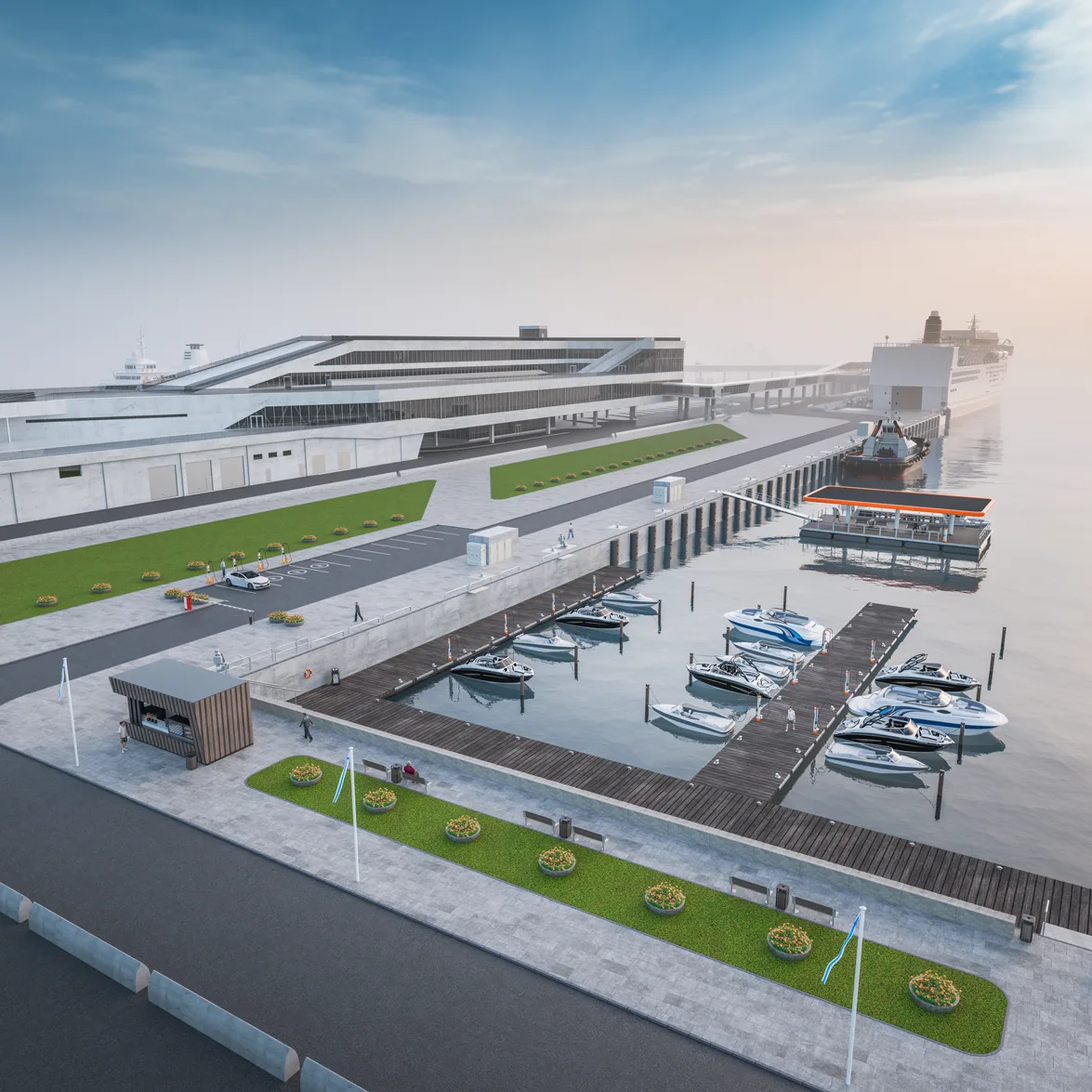
Marine charging isn't fleet charging with a different sign on the door.
The dock can't always carry standard charging equipment. The boat's metal hull is electrolytically vulnerable to any DC charger that doesn't isolate properly. Standards are still consolidating between CCS and MCS. And salt air breaks down cheap enclosures within a season. Marine charging has to be Designed Upstream, for marine conditions, not adapted from fleet hardware.
Four marine-specific constraints.
- 01
Dock load limits
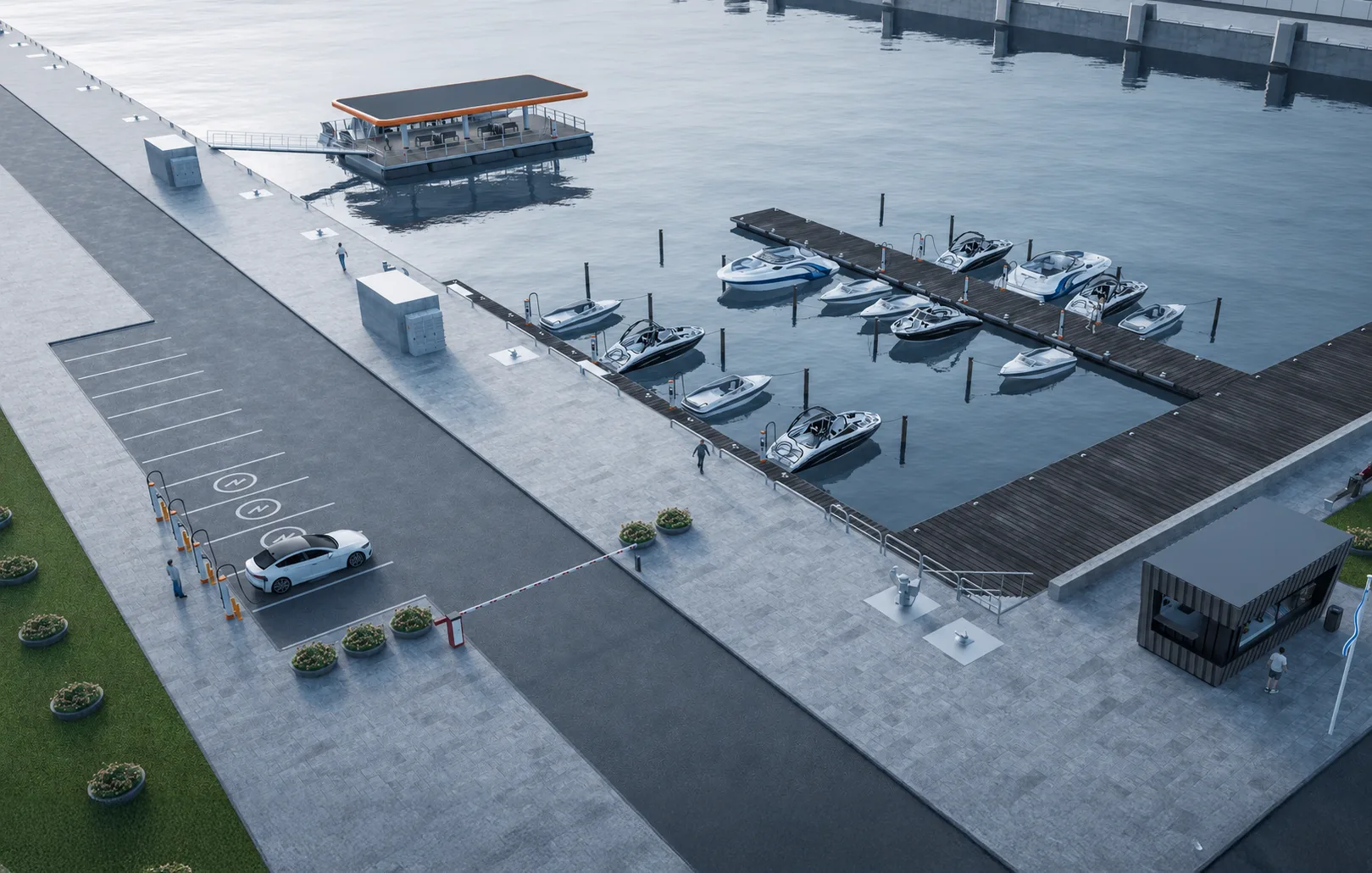
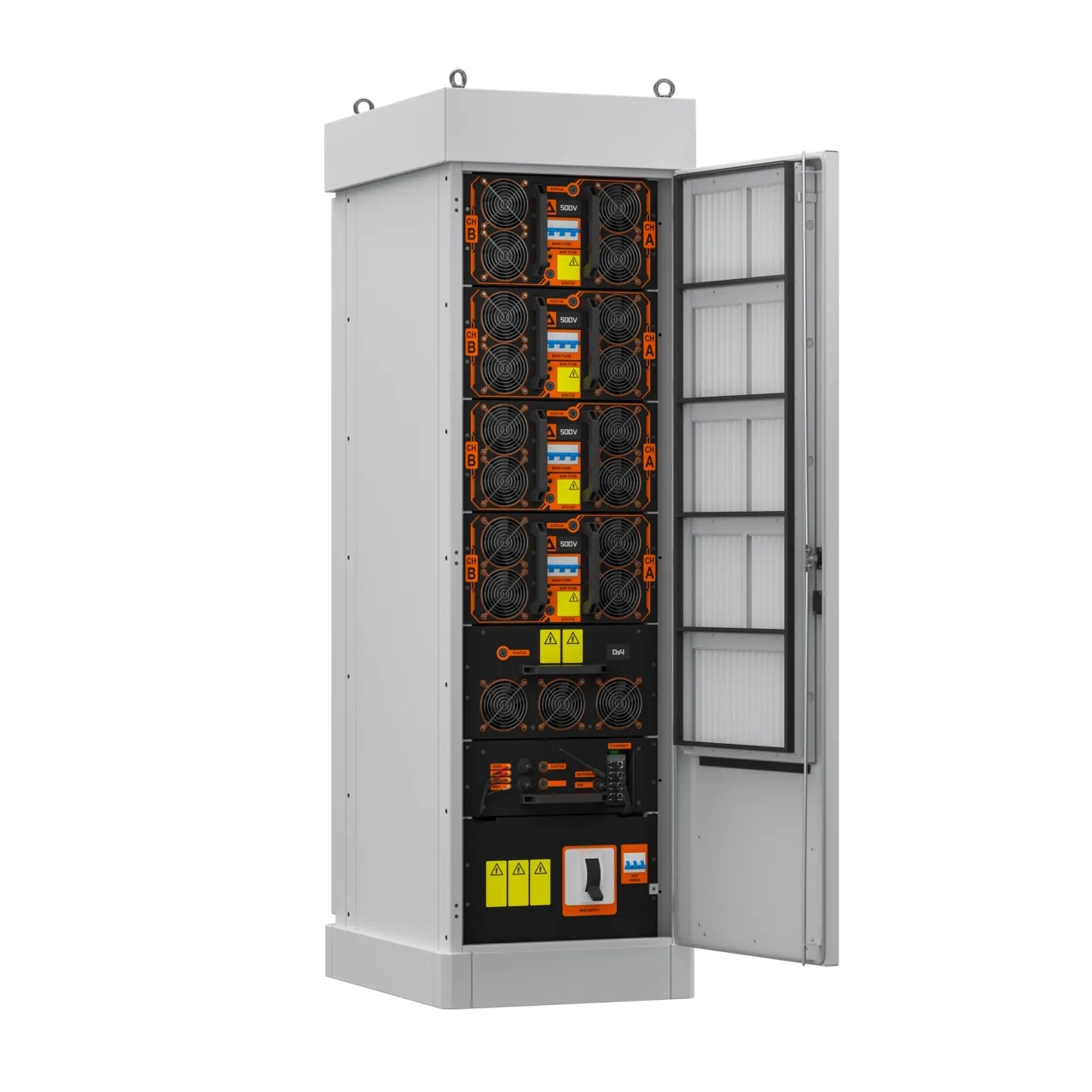
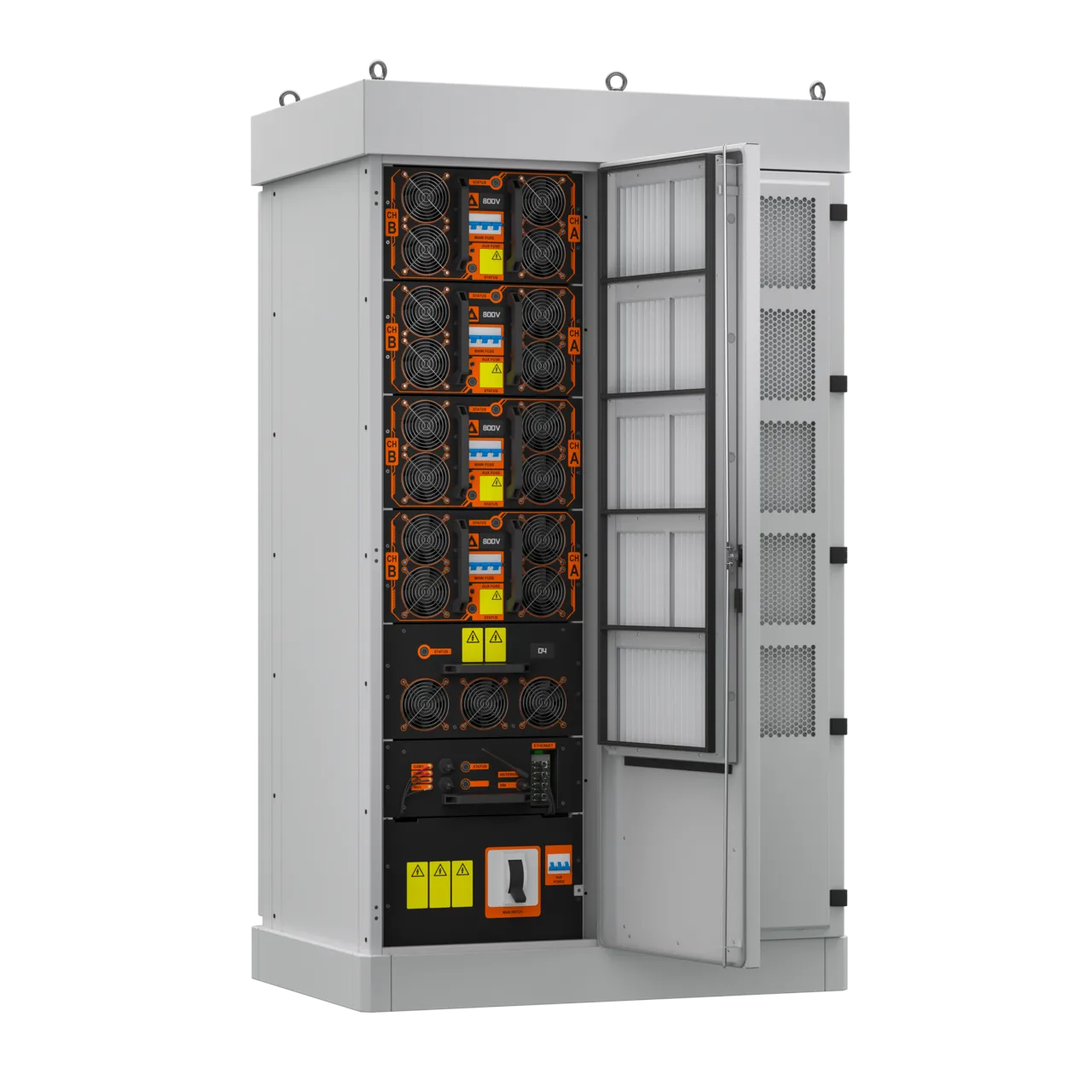
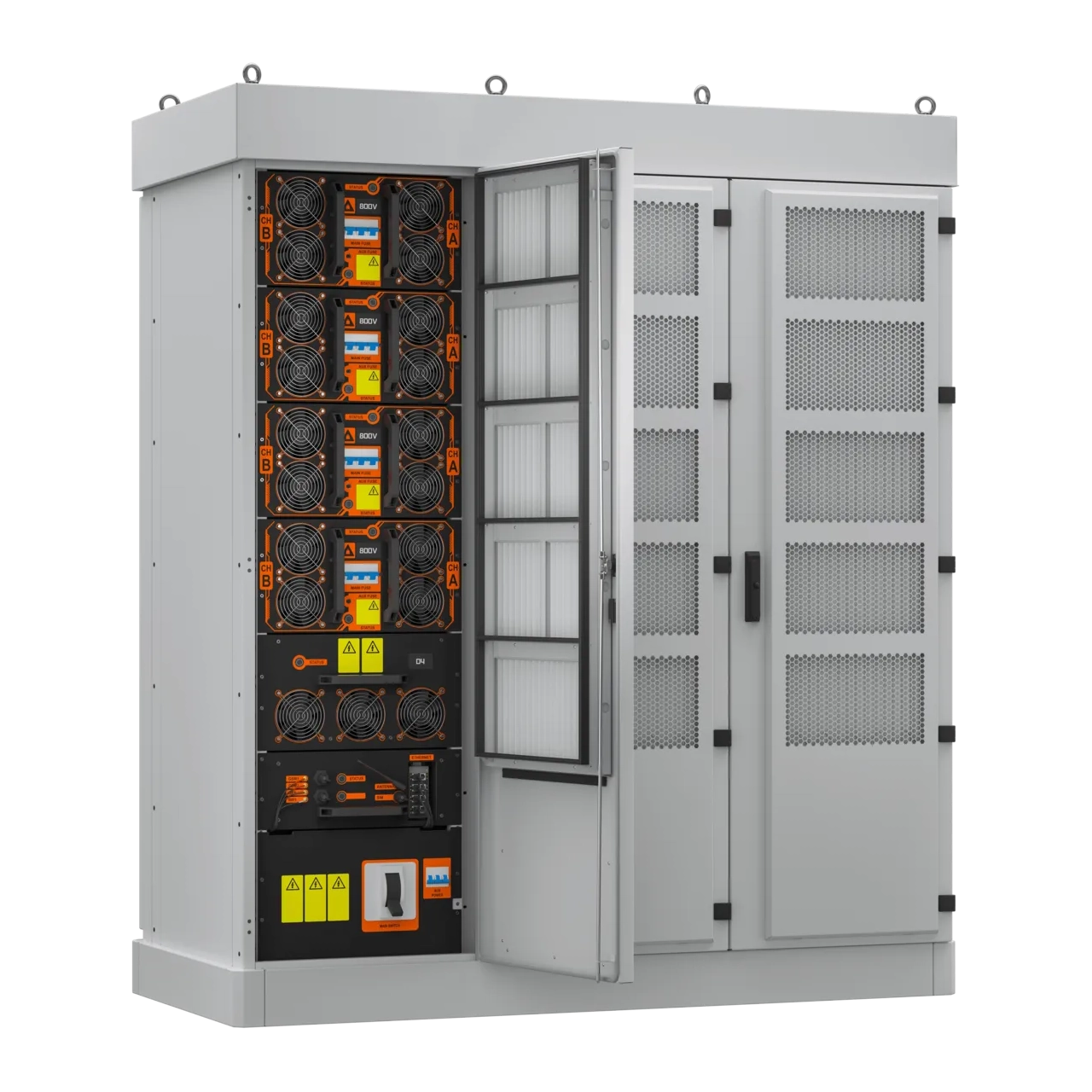
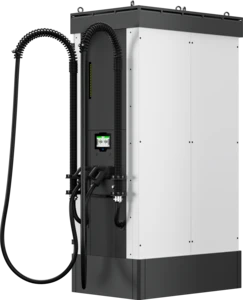
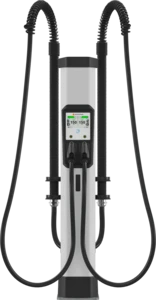
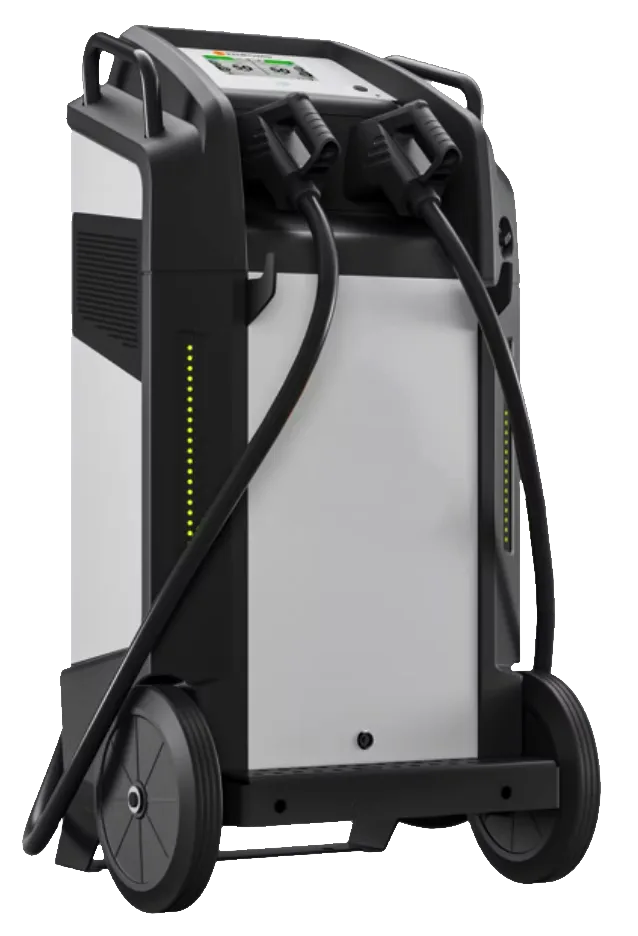
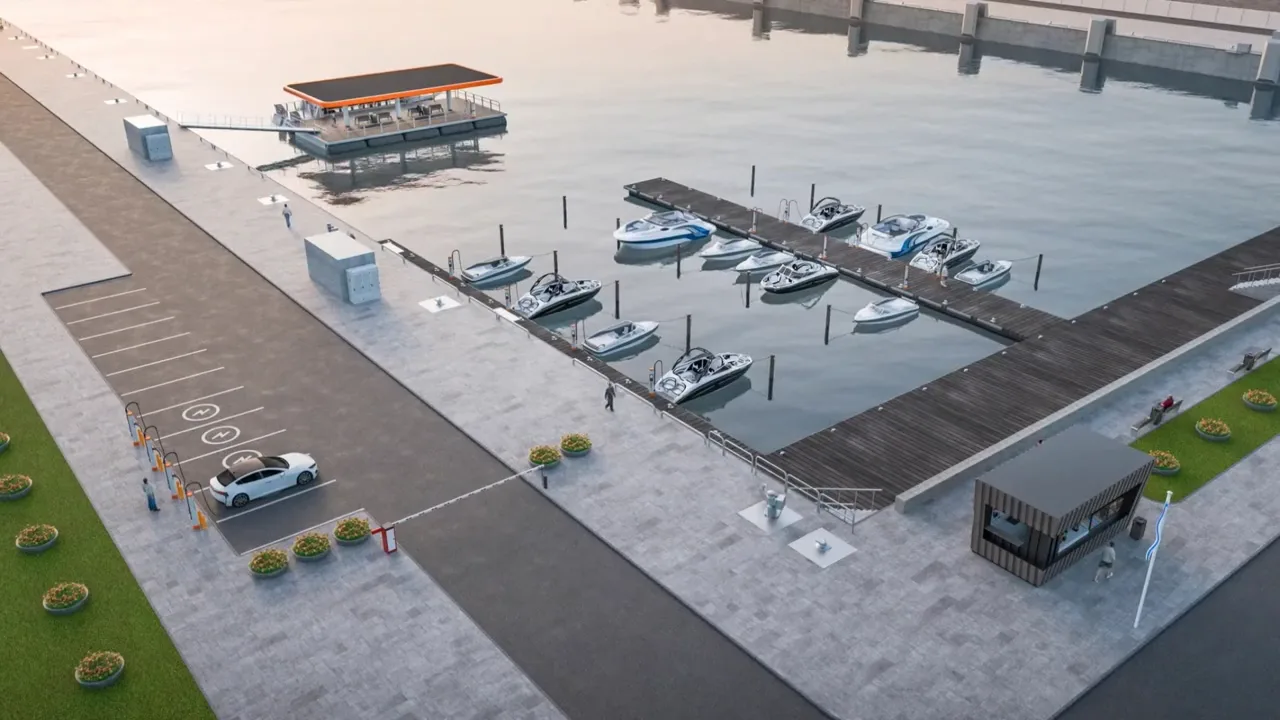
Most marina docks weren't engineered to carry heavy DC charging cabinets. The distributed Satellite is light enough to install on the dock without civil reinforcement work — the heavy power conversion equipment stays in the onshore Power Unit, up to 260 feet away.
- 02
Hull corrosion protection
Galvanic isolation between charger and vessel prevents the electrolytic corrosion that destroys hulls when DC equipment isn't properly isolated. Not optional. This is what makes a marine deployment Safe to Stand Behind.
- 03
CCS + MCS standards
The leisure OEMs and charging point operators that have committed to electrification are standardizing on CCS for now and MCS (Megawatt Charging System) for the next tier. EV-olution's system supports both.
- 04
Salt air and weather
The system is built and tested for extreme conditions (manufactured in Finland — same equipment that survives Nordic winters). Marine-grade enclosures designed for years of salt exposure, not seasons.
Lightweight dock Satellites. No dock reinforcement required.
The Satellite was Designed Upstream for marine deployment, not adapted from a parking-lot product. Heavy power conversion stays onshore in the Power Unit, so most existing marina docks accept the dock-side Satellite without civil engineering work or dock reinforcement.
- Dock-light Satellite installs without dock reinforcement
- 260 ft Cable distance between onshore Power Unit and dock Satellite
- CCS + MCS Communication standards supported simultaneously
- Galvanic Isolation between charger and hull, prevents corrosion